
10 Essential Things to Consider When Buying a Park Home
Buying a park home involves much more than choosing a home you like. It’s also an exciting opportunity to enjoy a relaxed, community-focused lifestyle – often in beautiful coastal, countryside, or semi-rural surroundings. Whether you’re downsizing, retiring, or purchasing your first park home, it’s important to understand how park home ownership differs from traditional bricks-and-mortar purchases.
From understanding pitch fees and site rules to maintenance considerations and insurance requirements, there are several important factors to review before making a commitment. Knowing the right questions to ask will help you make a confident and well-informed decision.
Below are 10 key considerations when buying a park home.
1. Is the Location Right for You?
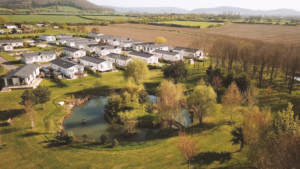
Where your park home is situated has a huge impact on your lifestyle. Consider:
- How far from Family and friends
- Proximity to essential services (GP surgeries, hospitals, shops, public transport)
- Natural surroundings – Are you looking for countryside peace, a coastal haven, or a lively community?
- Local amenities and attractions for leisure, walking, dining, and days out
If possible, visit the area during different seasons to get a feel for the environment. Some buyers even rent nearby before committing, giving them valuable insight into the community atmosphere. A Park Open Event is also a useful opportunity to meet residents and see the park in a relaxed environment.
2. What Are the Park’s Rules and Regulations?
Each park operates under its own rules – understanding these early avoids surprises later. These may include:
- Age restrictions
- Pet policies
- Visitor or parking rules
- Garden structures or modifications
- Subletting guidelines
Make sure the park’s ethos matches your expectations.

3. Understanding Park Home Ownership
Park homes in the UK are sold with the right to live on a pitch, not to own the land.
Key considerations:
- Written Statement: This legally outlines your rights and obligations on the park.
- Site Fee (also known as pitch fee, or ground rent): Understand how much it is and when it is paid. The site fee is subject to change and reviewed annually. Ground rent can only be increased in line with the Consumer Price Index.
- Site Licence: Check the park has a valid residential site licence (not holiday-only).
Make sure you fully understand the legal framework before committing.

4. New vs Pre-Owned Park Homes
Both can be great options, but each has its own benefits:
New Park Homes
- Fully customisable interiors
- Latest energy-efficient insulation
- Manufacturer’s warranty
- Modern and contemporary finishes
Pre-Owned Park Homes
- Lower purchase price
- Established gardens and surroundings
- Immediate availability
- Existing community and neighbourhood
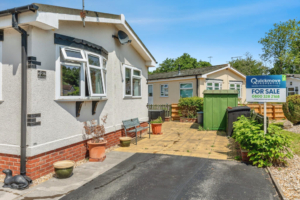
The impartial Quickmove Properties team can help you weigh the pros and cons for your lifestyle and budget.
5. Your Future Lifestyle
Ultimately, a park home purchase is about how you want to live.
Ask yourself:
- Do I want a quieter, more peaceful environment?
- Do I value having friendly neighbours around?
- Am I looking for a secure, low-maintenance home?
- Does the park offer good walking routes, nature, or coastal access?
Choosing the right home and park can greatly enhance your wellbeing and day-to-day happiness.

6. What Does the Pitch Fee Cover?
Pitch fees typically include services such as maintenance of the park grounds and any communal areas, park lighting, and sometimes park security.
7. What are the running costs?
Beyond the purchase price, you should consider:
- Pitch fees
- Council tax (usually band A – the lowest band)
- Insurance costs
- Utility costs (Gas, electricity, water)
- Maintenance and repair budgeting
Understanding ongoing costs helps you plan a stress-free lifestyle and proper maintenance also helps protect your insurance cover.
8. Do You Have the Right Park Home Insurance?
Park home insurance is different from traditional home insurance. Specialist cover – such as that offered by Park Home Assist – provides protection tailored to park homes. Policies can include:
- Structural and contents insurance
- Accidental damage
- Public liability
- Legal expenses
- Home emergency cover
Choosing specialist insurance ensures you’re fully protected.

9. How Are Utilities Supplied and Billed?
Utility arrangements vary between parks. You may:
- Receive bills directly from energy and water suppliers
- Be billed through the park itself
Clarifying this will help you understand your monthly costs and your options.
10. What Is the Community Atmosphere Like?
A good community can make all the difference and is one of the biggest draws of the park lifestyle. Visit the park on a Viewing Event at different times and talk to current residents to get a feel for the area. A welcoming and supportive neighbourhood can greatly enhance your living experience.

Final Thoughts
Buying a residential park home is a big step so it’s essential to understand the differences from traditional housing and to choose a park and home that truly fit your needs. With the right location, solid understanding of the legal framework, expert guidance from specialist estate agents, and proper insurance in place, you can enjoy the comfort and community that park home living is known for.
When you’re ready, we’re here to help you explore homes, compare parks, and protect your investment with specialist insurance.


